
The starter motor is a critical component of your ignition system, responsible for providing the initial rotation of the camshaft needed to begin the combustion process. While it’s easy for this component to go overlooked, a starter motor that’s on its way out can cause a host of issues when attempting to start your vehicle, and could leave you stranded.
In this article, we’ll cover what the starter motor does, how it operates, and the signs of a failing starter motor that you should keep an eye out for.
What Is The Starter Motor?
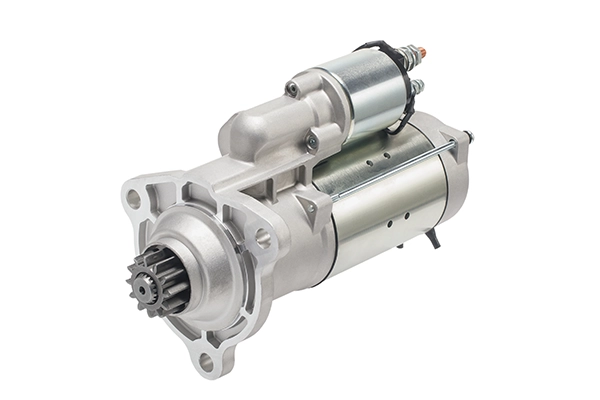
The starter motor is a small electric motor seated at the bottom of the transmission’s bell housing and is used to provide the initial crankshaft rotation needed to begin the intake of air and fuel into the combustion chamber.
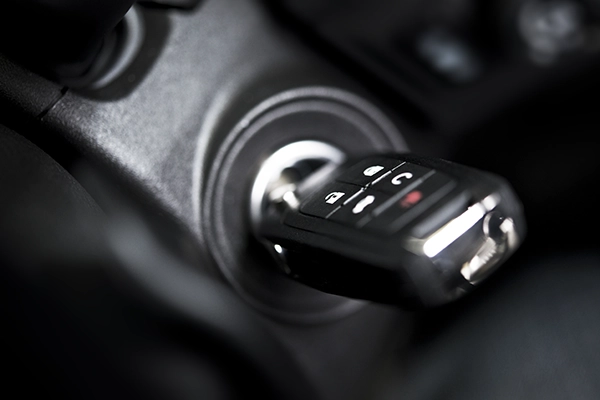
Every time you turn your key or press the engine start button, your starter motor fires right up to rotate the crankshaft and get the motor turned over. The motor is generally only used during initial startup and stays idle for the rest of the drive.
How Do Starter Motors Fail?
There are various reasons your starter motor can fail, from physical to electrical disruptions. One of the most common causes of a bad starter is due internal wear, as the carbon brushes within the motor used to generate electricity will gradually wear down over time due to contact with the spinning armature around it.
Starter motors can also encounter environmental damage that causes it to malfunction, such as corrosion of the motor from contact with moisture and road debris. Heavy corrosion can cause the motor to seize up and prevent it from producing the initial rotation needed for ignition.
Issues may also occur with the solenoid of the motor, which is an electric switch used to control the activation of the starter motor. When the internal contacts of the solenoid experience corrosion or electrical shorting, it can cause the contacts to become burnt or even weld together in severe cases.
Another frequent cause of starter failure is due to physical wear of the pinion gear, which is what creates the connection between the starter and camshaft. When the teeth of the gears experience wear that prevents them from making a proper connection with the camshaft, it may lead to the inability to start your vehicle.
Symptoms of a Failing Starter Motor
While the symptoms of a faulty starter can vary based on make, model, and type of failure, there are a few symptoms of a failing starter motor that you should keep an eye out for.
Non-Starting Vehicle
This one may be self-explanatory, but a failing starter motor will often lead to issues getting the vehicle started in the first place. Although no-start conditions can be caused by a host of other issues throughout the vehicle, the starter is one of the best places to start when trying to pinpoint the source of your issue.
Clicking Or Grinding Sounds
The sounds of a failing starter are often one of the most noticeable symptoms. If you notice a loud click when turning your key, or a rapid series of clicks, it could be the result of the starter’s solenoid engaging despite the motor itself not turning.
If you instead notice a grinding or whirring noise when starting the vehicle, it may be due to a worn pinion gear that cannot make a proper connection with the camshaft, causing a metallic grinding noise as the worn teeth skip against the flywheel.
Intermittent/Sluggish Starting
Not all starter issues will lead to the complete inability to start your vehicle, and can instead lead to intermittent and slow starting. This can occur due to a number of different reasons in your starter, as variables like outside temperature or the specific position of the pinion gear can affect whether or not the starter will operate properly at any given time.
Smoke Or Burning Smell From Engine Bay
In some cases, the starter motor may overheat due to excessive power draw caused by electrical issues, which can lead to a great deal of heat building up in the starter and potentially causing the rubber materials to burn. If you notice any sort of smoke or related smell coming from your vehicle, it’s important to stop the car immediately and have it inspected by a trusted automotive professional to avoid further damage and potential fire risk.
Ignition System Service & Repair in Hamilton, OH
If you’re looking for a trustworthy repair facility for your vehicle’s ignition system in the Hamilton, OH area, trust the experienced technicians at Pohlman’s Auto & Tire Center for the utmost quality of maintenance and repair no matter the issue you’re facing. We have two locations in Hamilton ready to serve you. Give us a call or schedule online to secure your appointment with the premier ignition service and repair facility in the Hamilton area!